

Feeling Different After 40? 6 Changes You Don’t Want to Ignore

Have you ever caught yourself saying:
“I just don’t feel like myself anymore.”
Maybe you're more tired than you used to be. You're gaining weight even though your diet and exercise have not changed much. You wake up in the middle of the night and can't get back to sleep. Your concentration isn't as sharp, your mood feels different, or your annual blood work suddenly shows higher cholesterol or blood sugar.
And perhaps you've been wondering:
“Is this just what happens with aging”
Some changes are certainly a natural part of getting older. But feeling persistently tired, struggling with your weight, sleeping poorly, or simply not feeling well shouldn't automatically be dismissed as “just aging.”
Your 40s can be one of the most important times to take a closer look at your health, and understand what your body may be telling you.
Why Does Everything Seem to Change After 40?
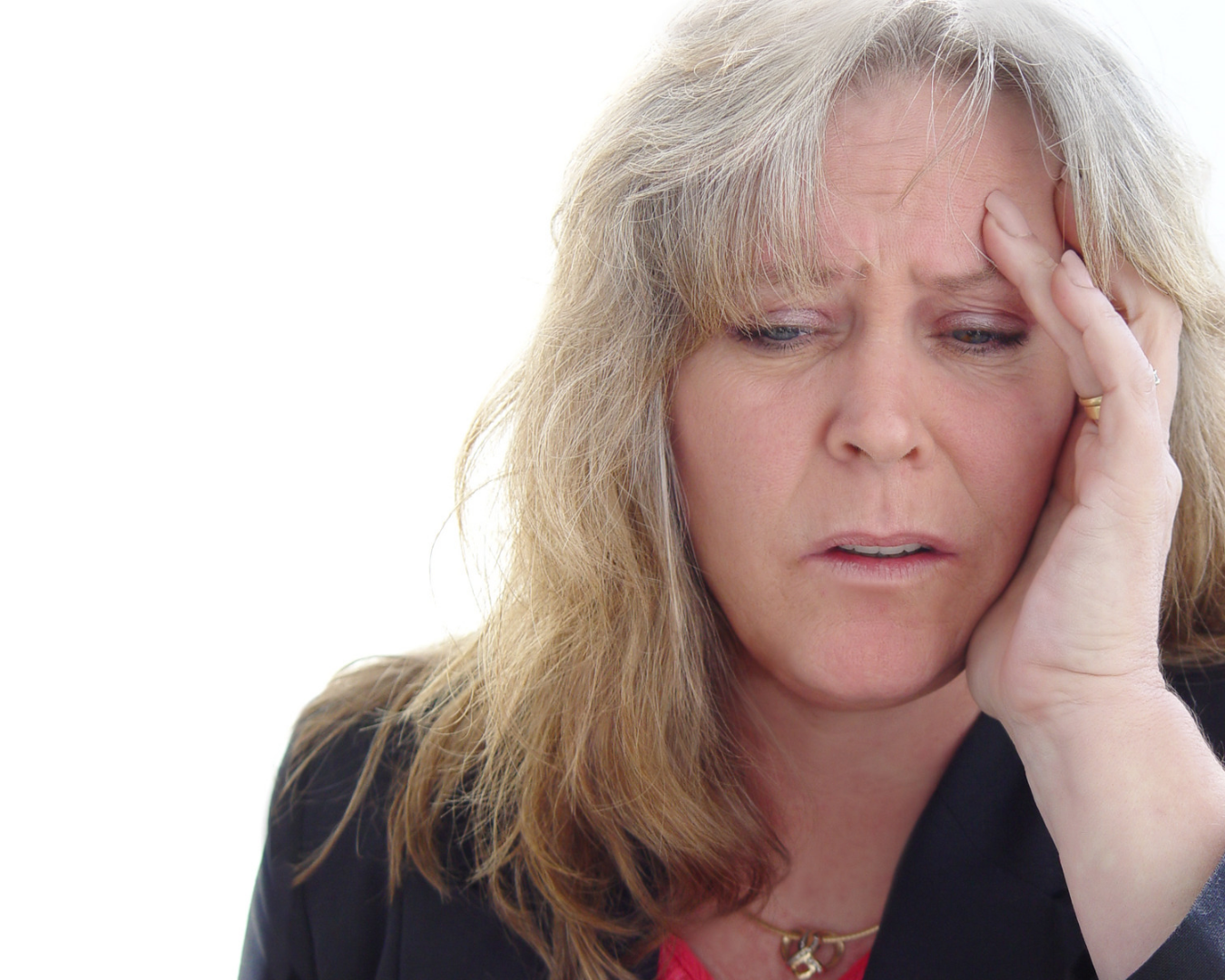
There usually isn't one simple answer. As we move through our 40s and beyond, changes in hormones, metabolism, muscle mass, sleep, stress, nutrition, and lifestyle can begin to overlap.
For women, perimenopause can add another important layer. Estrogen and progesterone begin to fluctuate, sometimes years before periods stop completely. Some women experience obvious hot flashes or menstrual changes, while others first notice more subtle symptoms such as poor sleep, fatigue, brain fog, mood changes, or difficulty maintaining their previous weight.
At the same time, not every symptom after 40 is caused by hormones. That's why looking at the bigger picture matters.
Here are six changes that deserve your attention:
-
Fatigue is one of the most common concerns we hear.
You may be sleeping seven or eight hours but still wake up exhausted, or perhaps you feel fine in the morning but hit a wall every afternoon. There are many possible contributors to low energy, including poor sleep, chronic stress, thyroid problems, iron or vitamin deficiencies, inadequate protein intake, blood sugar fluctuations, medications, hormonal changes, and other health conditions.
Instead of simply asking, “What can I take for more energy?”, it may be more helpful to ask, “Why is my energy low in the first place?”
-
Another common frustration after 40 is feeling that the strategies that worked ten years ago simply don't work anymore.
You may be eating reasonably well and exercising, yet the scale continues to creep upward, particularly around the midsection. Hormonal changes can play a role, especially during the transition through menopause, but they're only one part of the picture. Sleep, stress, insulin sensitivity, muscle mass, physical activity, nutrition, medications, and overall metabolic health can all influence body composition.
Instead of focusing only on eating less and exercising more, it may be time to understand what has changed in your body and metabolic resilience.
-
Perhaps you used to sleep through the night, but now you wake up at 3 or 4 a.m. and can't get back to sleep. Or you may spend seven or eight hours in bed but still wake up feeling tired.
Hot flashes and night sweats can interfere with sleep during perimenopause and menopause, but stress, alcohol, sleep apnea, pain, lifestyle habits, and other factors can also contribute. Poor sleep can then create a ripple effect, affecting your energy, appetite, cravings, concentration, and ability to manage stress.
Sometimes what appears to be a “weight problem” or an “energy problem” may also have a significant sleep component.
-
You walk into a room and forget why you went there. You struggle to find a familiar word, read the same paragraph twice, or simply find it harder to concentrate. You may also feel more irritable, anxious, or emotionally different from your usual self. Brain fog and mood changes can occur during the menopausal transition, but hormones aren't the only possible explanation. Poor sleep, chronic stress, thyroid problems, nutritional factors, medications, and other medical conditions can also contribute. The important point is not to assume that every change is simply hormonal, or simply aging, but to consider your symptoms in the context of your overall health.
-
For many women, perimenopause begins during their 40s, although the timing and experience can vary significantly from person to person. And perimenopause isn't only about hot flashes or irregular periods.
Changes in estrogen and progesterone may occur alongside sleep disturbances, mood changes, brain fog, changes in body composition, vaginal or urinary symptoms, and changes in sexual health. Some women experience very noticeable symptoms, while others notice only subtle changes at first.
Understanding where you may be in this transition, and considering your symptoms together rather than individually, can help you have a more meaningful conversation with your health team about what may be happening and what options are appropriate for you.
-
Sometimes you don't feel dramatically different, but your annual physical tells another story. Your cholesterol may be higher than it used to be.
Your blood sugar or A1C may be creeping upward. Your blood pressure may no longer be where it was five or ten years ago. These changes are worth paying attention to, even when they are still relatively mild. Your 40s and 50s are an important time to think beyond how you feel today and consider your future cardiovascular, metabolic, and bone health as well.
The goal isn't to chase a “perfect” laboratory number, but to recognize patterns early and identify areas where nutrition, exercise, sleep, stress management, weight management, or medical treatment when appropriate may make a meaningful difference.
Don’t Just Ask, “Is This Just My Age?”
A more useful question may be:
“What has changed, why might it be happening, and what can I do now to support my health for the years ahead?”

This is where looking at the bigger picture can be especially helpful. Instead of viewing different complaints as separate problems, we need to consider how they may be connected.
Depending on your individual history and symptoms, this may include reviewing your nutrition and lifestyle, previous laboratory results, medications, sleep, stress, metabolic health, thyroid function, hormonal changes, and other relevant factors.
Not everyone needs extensive testing. Not everyone needs supplements. And there isn't one diet, hormone, or treatment that is right for everyone.
The goal is to understand your individual health picture, identify potential contributing factors, and determine what deserves attention.
Your 40s Can Be a Turning Point - in a Good Way
Getting older doesn't mean giving up on feeling well. In fact, your 40s or 50s can be an ideal time to become more intentional about your health, building and maintaining muscle, improving nutrition, protecting your sleep, managing stress, addressing metabolic risk factors, and understanding the hormonal changes that may be occurring.
Rather than waiting until a small problem becomes a bigger one, this can be an opportunity to become more proactive about your health.
The choices you make today can help lay the foundation for how you feel in your 60s, 70s, and beyond.

Not Feeling Like Yourself Lately?
If you're experiencing persistent fatigue, unexplained weight changes, poor sleep, brain fog, digestive concerns, or symptoms associated with perimenopause or menopause, it may be worth taking a closer look.
At Medical Acucare, our Functional Medicine approach starts by understanding your health history, symptoms, nutrition, lifestyle, previous testing, and personal health goals. Rather than focusing on one isolated symptom, we look at the bigger picture to identify potential contributing factors and develop an individualized plan to support both how you feel today and your long-term health.
Ready to take a closer look at your health?
Schedule a Functional Medicine Discovery Call to learn more about our approach and whether it may be a good fit for you.